
Photo credit: Stephanie Schuck
Join us October 17 at the Indiana Native Plant Society’s 33rd annual conference on the theme, Wildlife Corridors: Linking Landscapes for Biodiversity, encompassing topics from ecological restoration and rare plant conservation to gardening for birds and HOAs and more.
Back to Annual Conference main page and sponsors.
Speakers
Doug Tallamy (keynote)
Keeping Our Common Birds Common
Birds as well as other forms of biodiversity are declining at an accelerating pace, and our common birds are declining the fastest. Which birds are declining? The ones that require insects to rear their young. The best way to keep common birds common is to keep their insect food common. Tallamy will tell you which insects birds need most and how to create landscapes that make these insects more abundant. If homeowners routinely landscaped for bird food we could reverse the declines that are so troubling.
Doug Tallamy is the T. A. Baker Professor of Agriculture in the Department of Entomology and Wildlife Ecology at the University of Delaware, where he has authored 116 research publications and has taught insect related courses for 45 years. Chief among his research goals is to better understand the many ways insects interact with plants and how such interactions determine the diversity of animal communities. His books include Bringing Nature Home, The Living Landscape, co-authored with Rick Darke, Nature’s Best Hope, a New York Times Best Seller, The Nature of Oaks, winner of the American Horticultural Society’s 2022 book award, and his latest book How Can I Help. In 2021 he cofounded Homegrown National Park with Michelle Alfandari (HomegrownNationalPark.org). His awards include recognition from The Garden Writer’s Association, Audubon, The National Wildlife Federation, Allegheny College, Ecoforesters, The Garden Club of America, The Herb Society, and The American Horticultural Association.
Mike Homoya
Chronicles of Primeval Indiana
What was Indiana’s landscape like hundreds of years ago? Indiana was a land of vast forest, prairie as far as the eye could see, crystal clear lakes, and bountiful wetlands. There were enormous sand dunes, towering rock cliffs, lakes beset with mysterious bald cypress trees, and creatures such as bison, mountain lions, parakeets, and porcupine. How do we know this? We know from information given to us by early explorers and pioneers who observed and wrote about it. Come and marvel as we look through their eyes to see Indiana as it once was.
Michael Homoya served for 37 years as Botanist/Plant Ecologist for the Indiana Department of Natural Resources, Division of Nature Preserves. He is a Fellow and former president of the Indiana Academy of Science and past president of the Indiana Native Plant Society. He authored or co-authored over 75 scientific papers and popular articles pertaining to natural features of Indiana and the Midwest. Books he has written include Orchids of Indiana; Wildflowers and Ferns of Indiana Forests: A Field Guide; Wake Up, Woods; and Wildflowers of the Midwest (co-authored with Scott Namestnik). His most recent books include Minnesota in Bloom; Wisconsin in Bloom; and Wake Up, Wetlands (in press). His awards include the Indiana Academy of Science’s Distinguished Scholar of the Year Award, Distinguished Career Public Service Award from Conservation Law Center, Barbara J. Restle Lifetime Conservation Award from Sycamore Land Trust, and Sagamore of the Wabash for his contributions to protect Indiana’s significant natural areas and its flora and fauna.
Dani Tippmann
Naloomina Neehi Myaamiaki – Wild Rice and the Miami
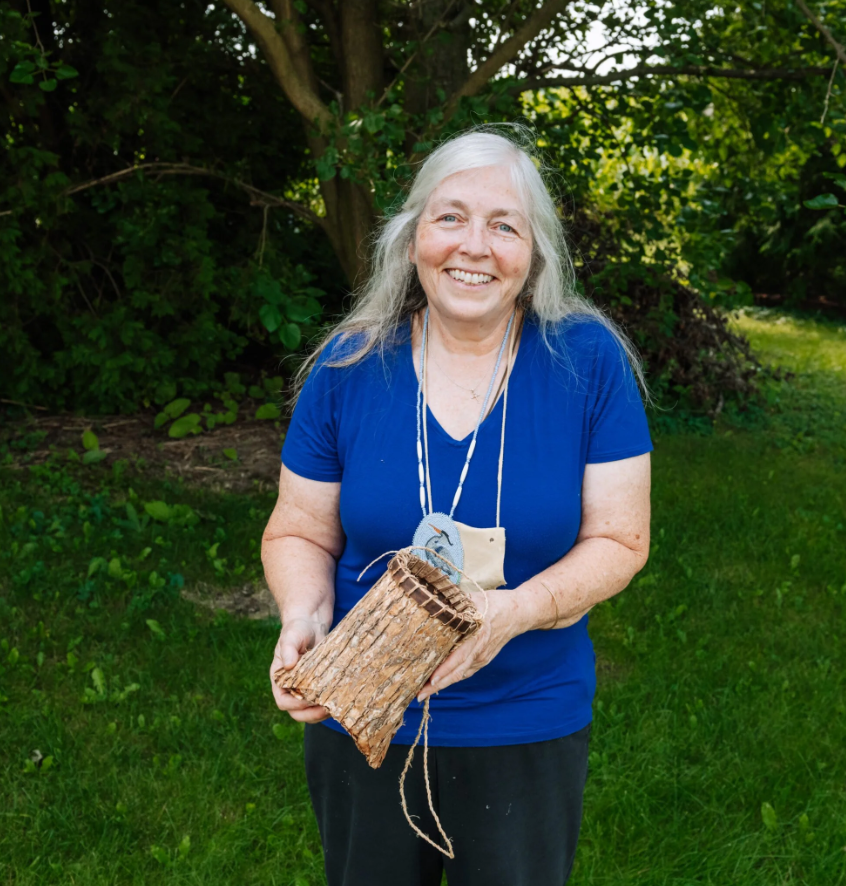 This presentation will tell the story of the beginning of the renewal of a relationship between the Myaamia people and Naloomina – ‘wild river rice’. The lives and history of the Myaamiaki – ‘Miami’ people is intertwined with many plants that are used as food medicine and technology. This presentation will tell of the relationship between Naloomina and Myaamiaki, by focusing on the finding and reintroduction in Indiana waterways and how this strengthens bonds between Miaamiaki and plants and governmental agencies.
Dani is a Miami Tribe of Oklahoma citizen, descended from Takumwah, and Chief Jean Baptiste Richardville. She serves the Miami Tribe of Oklahoma as the Kiihkayonki ARPA Community Food Program Director at the Fort Wayne CREO. Part of her job is installing and maintaining gardens for food production, eliminating invasive plants, and harvesting plants for natural foods and crafts. She enjoys talking about it all with tribal members. She has been involved in the Miami Tribe of Oklahoma with projects such as the annual Eewaansaapita experience, which involved cooking and plant knowledge. She was employed as the Whitley County Historical Museum Director for 14 years before starting her current position with the tribe. Her experience includes programming for Miami Days at the Chief Richardville House and as an Indiana Master Naturalist, among many other places. Dani is certified as an ISDH “Morel Mushroom Identification Expert” and an ISDH “Wild Mushroom Expert.” Dani has been interested in gardening, wild plants, and animal usage for most of her life. She regularly harvests fresh roadkill for meat, leather, and feathers!
Jared Goodykoontz
Native Plants are Party Invitations!
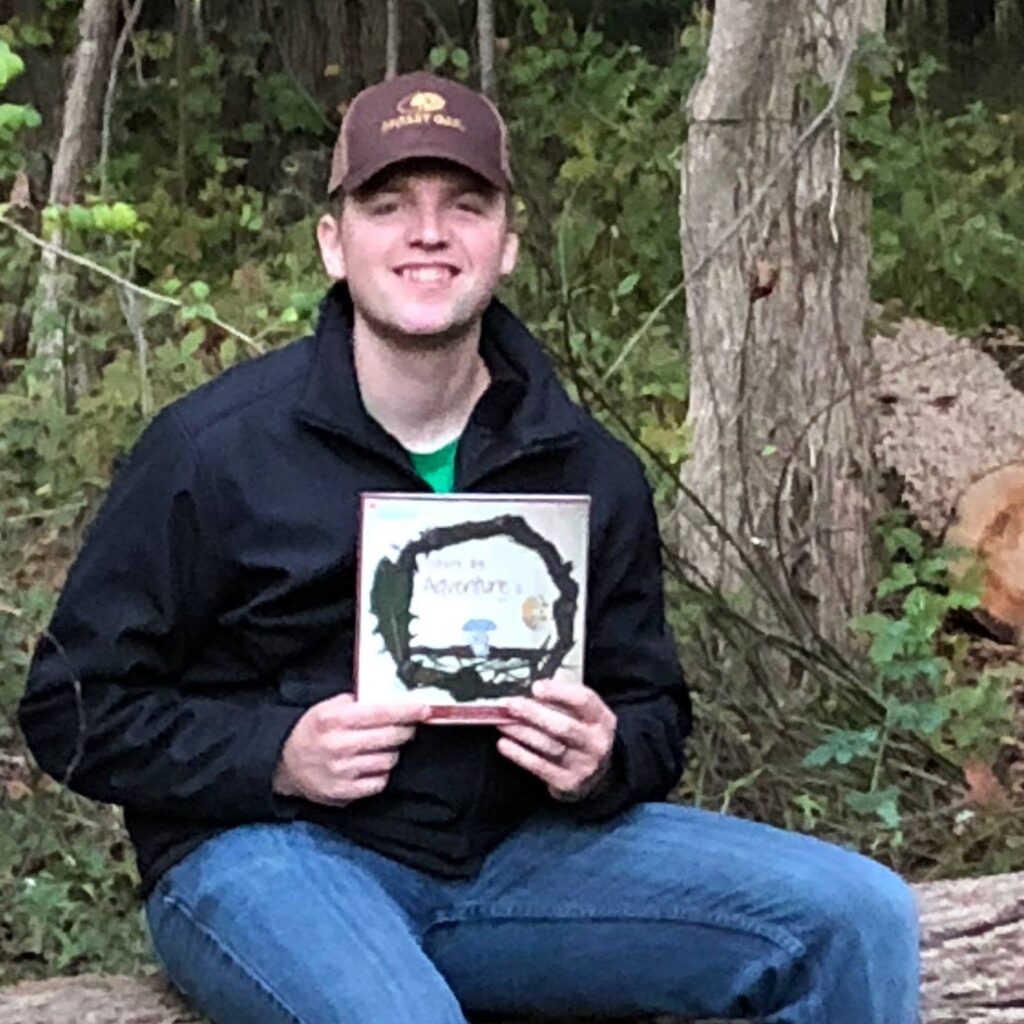 Join Jared Goodykoontz (aka Jared the Nature Guy) and play his Native Plants Party game to learn a fast, effective way to get kids, adults, groups… EVERYBODY excited about planting natives!
Jared Goodykoontz is a school naturalist, author, game designer and native plant enthusiast from Columbus, Ohio. He is blessed to live in the country with his wife and 3 kiddos surrounded by forest and a restored prairie. You can find his books, games and more at his website Jaredthenatureguy.com or on Instagram @jaredthenatureguy
Clair Lane
From Awareness to Action: Engaging HOAs and Homeowners in Native Plant and Invasive Species Stewardship
Native plant advocates often face barriers when working with HOAs and residential communities. This presentation shares lessons from the Hamilton County Invasives Partnership’s award-winning programs, highlighting practical strategies that help residents move from learning about native plants to actively restoring and stewarding their landscapes.
Claire Lane is the Urban Conservationist for the Hamilton County Soil and Water Conservation District and coordinator of the Hamilton County Invasives Partnership (HIP). Her work focuses on engaging residents, HOAs, and community partners in invasive species management, native plant conservation, and habitat restoration efforts.
Scott Namestnik
Updates on Indiana’s Rare Plant Conservation Programs
 Indiana has over 400 species on the Department of Natural Resources’ Endangered, Threatened, and Extirpated Plants of Indiana list, yet only a fraction of the populations of these plants are monitored each year. Scott and Jill will discuss the efforts by the Indiana Plant Conservation Alliance and Indiana Rare Plant Watch to close the gap and to help conserve Indiana’s rare plants.
Scott is the Botanist at the Indiana Natural Heritage Data Center, which is part of the Indiana Department of Natural Resources – Division of Fish, Wildlife, and Nature Preserves. Much of his work involves conducting botanical inventories, assessing sites for protection consideration, and documenting and monitoring occurrences of endangered and threatened species. He has a degree in Botany with a focus in Environmental Science from Miami University and over 25 years of experience with the flora of the Great Lakes region and the Midwestern United States. He is co-author of Wildflowers of the Midwest with Michael Homoya (Timber Press) and Wildflowers of the Indiana Dunes National Park with Nathanael Pilla (Indiana University Press). He is a board member of the Indiana Native Plant Society – North Chapter and heads up the INPS Journal team. Scott also is the coordinator of the Indiana Plant Conservation Alliance.
Jill Casey
 Jill joined the Indiana Native Plant Society as the Program Facilitator in 2024. Her work focuses on implementing the Indiana Rare Plant Watch program–a community science initiative to monitor Indiana’s rare plant populations–as well as supporting the work of all INPS chapters and programs. Jill has a bachelor’s degree in marketing from Indiana Wesleyan University and a graduate certificate in restoration ecology from Auburn University.